I’ve been hooked on Texas Hold’em lately.
“Hooked” might not even be the right word. It feels more like poker flipped a switch I didn’t know I had. I used to think board games like chess and Go were the “serious” games — pure strategy, pure computation, win or lose entirely on how many moves ahead you could see. But after spending some time at the poker table, I’ve started to feel that the world of perfect information is actually pretty far from the world we live in.
Table of contents
Open Table of contents
It started with Balatro
My path into poker was a little sideways: I didn’t start at a table, I started in a video game.
First it was Balatro. The game turns poker hands into the core mechanic of a roguelike — to build anything, you first have to internalize what a pair, two pair, straight, flush, and full house actually are. After enough runs, those poker terms stop being trivia and start being muscle memory.
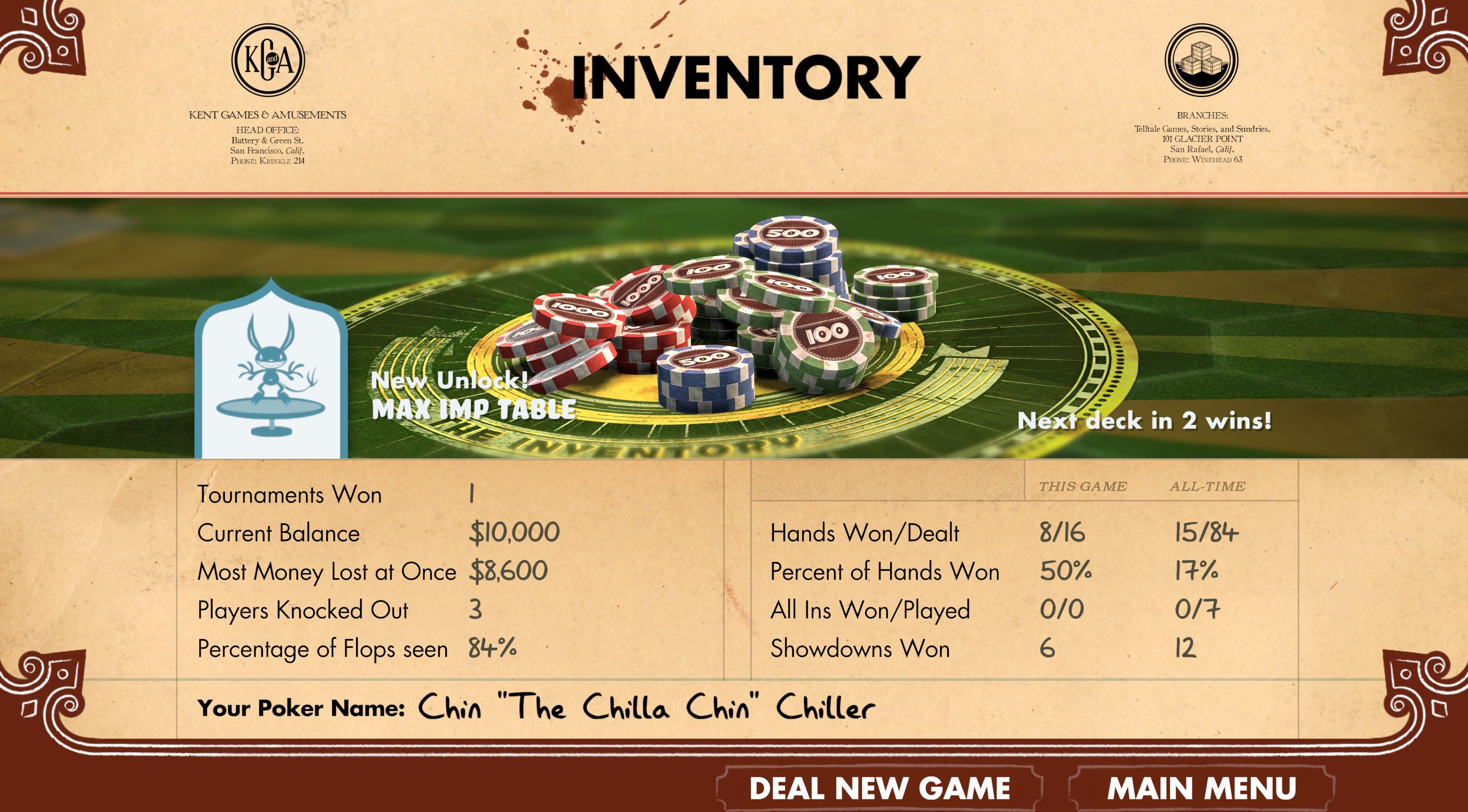
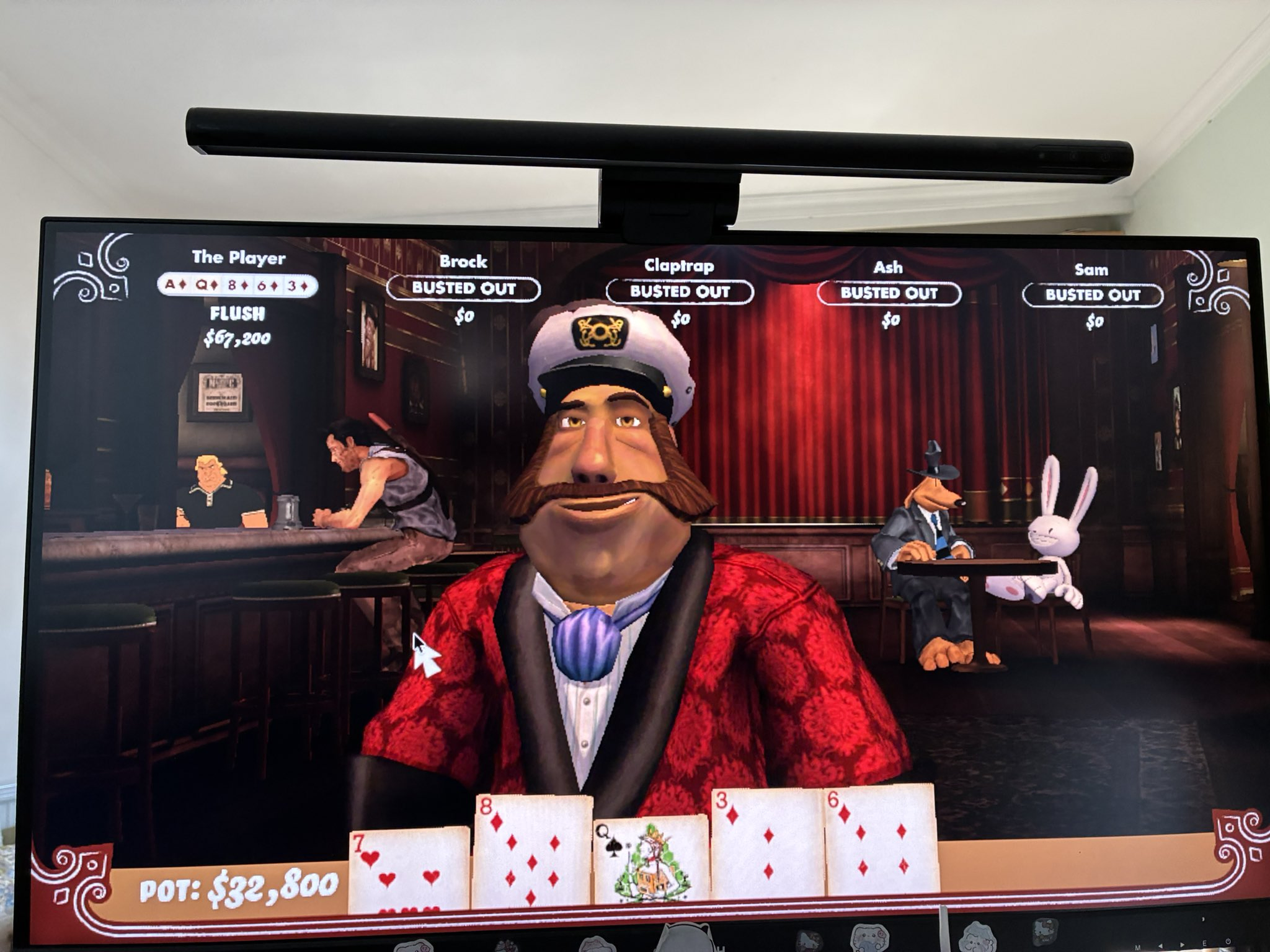
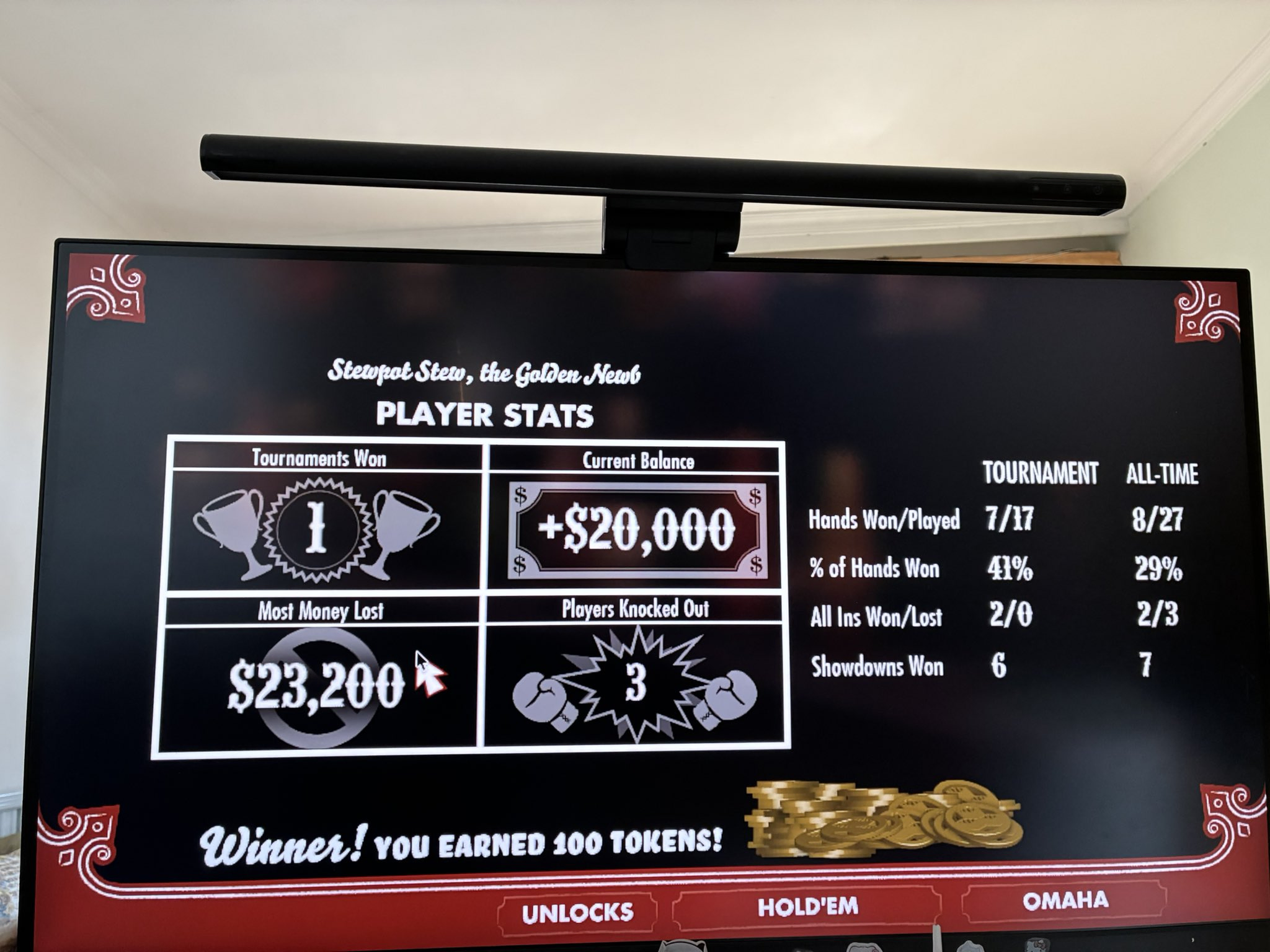
Then came Poker Night, where I properly met Texas Hold’em and Omaha. The difference sounds trivial at first: Texas gives you two hole cards, Omaha gives you four (and you must use exactly two of them). But in practice they feel like two different sports. Omaha inflates hand strength so dramatically that almost every hand looks winnable — which forces you to learn one of poker’s hardest lessons very fast: “looks winnable” and “worth betting on” are not the same thing.
Why poker feels more like life than chess
I first ran into this idea in a book, and it’s stuck with me ever since. The argument goes roughly like this:
Chess is a game of certainty. Every piece is on the board, every option is visible, and if you lose it’s because you didn’t calculate deep enough. Poker is a game of uncertainty. You never see your opponent’s cards, and luck is always in the room. But it’s precisely that mixture — luck wrapped around a core of controllable skill — that makes poker closer to real life than chess will ever be.
I keep coming back to that.
In real life, none of the decisions that actually matter — what job to take, what city to live in, whether to confess to someone, whether to go all in on an idea — happen on a chessboard. You always have only a couple of hole cards. The board is only partially revealed. Your opponents’ hands are always face down. And you can’t wait until the information is complete, because it never will be.
Chess teaches you to calculate to the end. Poker teaches you to bet when you can’t.
The fast tempo: probability and the willingness to gamble
One thing I didn’t expect about poker is how fast every hand is.
You don’t get to sit and think for ten minutes. Cards come out, the pot grows, somebody raises, and the clock is on you. In that small window you have to do two things at once that don’t naturally belong together:
- Calculate the probabilities cold. Pot odds, outs, implied odds, what range your opponent could plausibly be holding.
- Be willing to gamble anyway. Because no matter how clean your math is, you’re still pushing chips into a pot where the next card is unknown.
This is the tension I find genuinely beautiful. A pure calculator never pulls the trigger and bleeds out from blinds. A pure gambler hits big once and then donates everything back. The whole skill of the game lives in the balance between the two — knowing when the math says “this is +EV, push,” and trusting yourself enough to actually push.
It maps almost too neatly onto life. The people I admire most aren’t the ones with the best spreadsheets, and they aren’t the ones with the most nerve either. They’re the ones who can hold both at the same time — run the numbers, accept they’re incomplete, and still move.
Certainty vs. uncertainty
What makes poker so seductive is that it puts luck and skill on the same table without making them enemies.
- In the short run, luck rules everything. Pocket aces lose to 7-2 offsuit. It happens. It will keep happening.
- In the long run, skill rules everything. Run that same AA situation ten thousand times and the bad beats sand themselves down into nothing. The EV wins.
Which leads to a deeply counterintuitive fact: a good decision can produce a bad result, and a bad decision can produce a good result. You cannot grade a decision by its outcome. In chess, that distinction barely exists — if you lost, you can replay the game and find your mistake. In poker, the hand you won might have been the worst hand you played all night.
Once that idea sinks in, it’s hard to look at “successes” and “failures” in your own life the same way again.
What poker has actually taught me
Closing
I used to think what I loved was “strategy games.” After playing poker for a while, I realized what I actually love is the feeling of making a decision under uncertainty — the feeling itself.
Chess made me feel smart. Poker makes me feel honest. Honest about probabilities. Honest about my own emotions at the table. Honest about the fact that I genuinely do not know what the other player is holding, and I have to act anyway.
And life, after all, was never a game of chess.